
Why Sustainable IT Disposal Is Now a Board-Level Conversation
Thursday, January 29, 2026
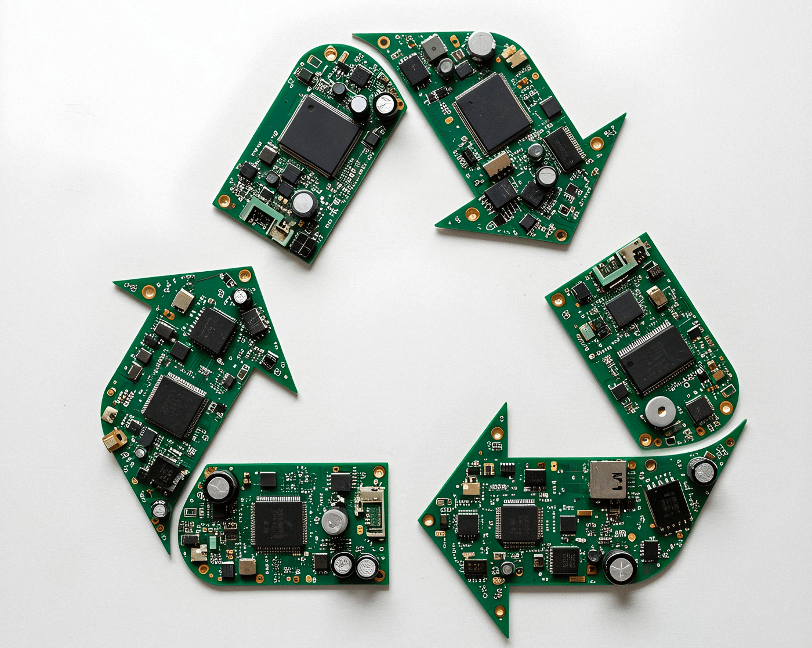
Once considered a back-office operational task, the disposal of IT equipment is rapidly becoming a strategic priority at the highest levels of organisations. As pressure from regulators, investors, customers, and employees grows, sustainable IT disposal, including data destruction, recycling, and asset recovery, is moving firmly into the boardroom.
In this blog, we explore the drivers behind this shift, the risks organisations face by ignoring it, and how we are helping businesses turn responsible IT disposal into a competitive advantage.
The Scale of the Issue: E-Waste Keeps Growing
The global volume of electronic waste continues to rise. In 2022, the world generated more than 62 million metric tonnes of e-waste, a figure expected to climb to around 82 million tonnes by 2030.
Despite this growth, only about 20% of e-waste is properly recycled, leaving the vast majority to be landfilled, incinerated, or handled informally. This imbalance isn’t just an environmental statistic, it’s a significant business risk. IT equipment contains not only hazardous substances like lead and mercury but also valuable materials such as copper, gold, and rare earth elements. When improperly disposed of, these valuable resources are lost forever while toxic components contribute to pollution.
From Ops to ESG: Why Boards Care Now
1. ESG Reporting and Investor Expectations
Environmental, Social, and Governance (ESG) metrics have become a key focus for investors and stakeholders. Sustainable IT disposal aligns with all three pillars:
• Environmental: Reduces landfill waste and pollution
• Social: Promotes responsible practices and community protection
• Governance: Demonstrates risk management and accountability
Recent benchmarking data shows that organisations are placing greater emphasis on ESG initiatives, including environmental risk management and e-waste. In one industry survey, the share of organisations rating ESG as “important” rose from 19% in 2023 to 34% in 2024, reflecting a growing prioritisation of these issues at senior levels. This shift drives boards to think about sustainable IT disposal not as a technical detail, but as part of broad, reportable ESG commitments.
2. Data Security Meets Sustainability
IT assets aren’t just sources of waste, they often contain sensitive data. A device that hasn’t been erased securely can expose an organisation to data breaches long after its productive life has ended. Boards today recognise that data security and environmental responsibility go hand in hand: poor disposal practices can lead to regulatory penalties, brand damage, and stakeholder distrust.
Data destruction and documented disposal are now considered non-negotiable elements of responsible asset lifecycle management. NLTS’s data destruction services help businesses mitigate this risk, turning what was once a compliance headache into an operational strength.
3. Regulatory Pressure Is Increasing
Countries around the world are tightening regulations around e-waste and data security. As formal frameworks such as WEEE, and ISO standards evolve, organisations are expected to show verifiable controls and documented outcomes when disposing of IT equipment. For example, recent updates to ISO 27001 include enhanced controls around secure disposal of data, convincing organisations to demonstrate formal policies, procedures, and verification mechanisms tied to IT asset disposition.
The Environmental Imperative

Sustainable IT disposal reduces environmental harm in multiple ways:
• Material Recovery: Recycling and reuse reduce dependence on virgin extraction, a process that carries a high carbon footprint.
• Pollution Prevention: Improperly disposed electronics can leach hazardous substances into soil and groundwater, affecting ecosystems and communities.
• Resource Conservation: For every 1 million smartphones recycled, significant quantities of metals such as copper, silver, and gold can be reclaimed, reducing the need for new mining.
From both impact and metrics perspectives, sustainable IT disposal supports net zero and circular economy objectives that are increasingly table stakes for responsible enterprises.
How NLTS Helps Organisations Lead on Sustainability
Organisations that take a structured, strategic approach to IT disposal see benefits beyond environmental compliance:
Data Destruction
NLTS ensures that all data-bearing equipment is processed using auditable, industry-recognised methods, protecting organisations from data leakage and regulatory exposure.
Secure IT Decommissioning
From corporate offices to multi-site estates and data centres, NLTS manages controlled retirement of hardware with full documentation, supporting governance and transparency.
Asset Recovery & Reuse
Many assets still retain operational or resale value. NLTS’s asset recovery services identify and monetise this value, helping businesses recover costs while diverting equipment from landfills.
WEEE-Compliant Recycling
For equipment that cannot be reused, NLTS ensures disposal through fully compliant recycling streams, demonstrating environmental responsibility and supporting ESG reporting. By integrating these services, NLTS helps organisations make IT disposal a demonstrable part of their sustainability strategy, one that boards, investors, and regulators can measure and trust.
The Strategic Shift: From Task to Priority
Sustainable IT disposal is no longer a back-office checklist item. As e-waste volumes grow, and recycling rates remain low, boards and executive teams must treat IT disposal as a strategic imperative tied to risk, reputation, and responsibility.
The convergence of data security, environmental impact, and stakeholder expectations means that IT disposal decisions are now made at the top levels of organisations. With data destruction, transparent processes, and recycling, companies can protect sensitive information, reduce environmental harm, and demonstrate leadership in sustainability, all while meeting the evolving expectations of the boardroom, investors, and customers.
Call 0203 380 7075
Email: info@nlts.co.uk
Site: www.nlts.co.uk
North London Telecoms Systems
WEEE Registration Number and carrier licence:
CBDL156450
footer 2CBDU485395footer 2
We are looking to purchase Cisco, Avaya, Nortel, Mitel, Ericsson, siemens, shoretel, Alcatel, Snom.