
Why IT Is Becoming Central to ESG Reporting
Thursday, May 07, 2026
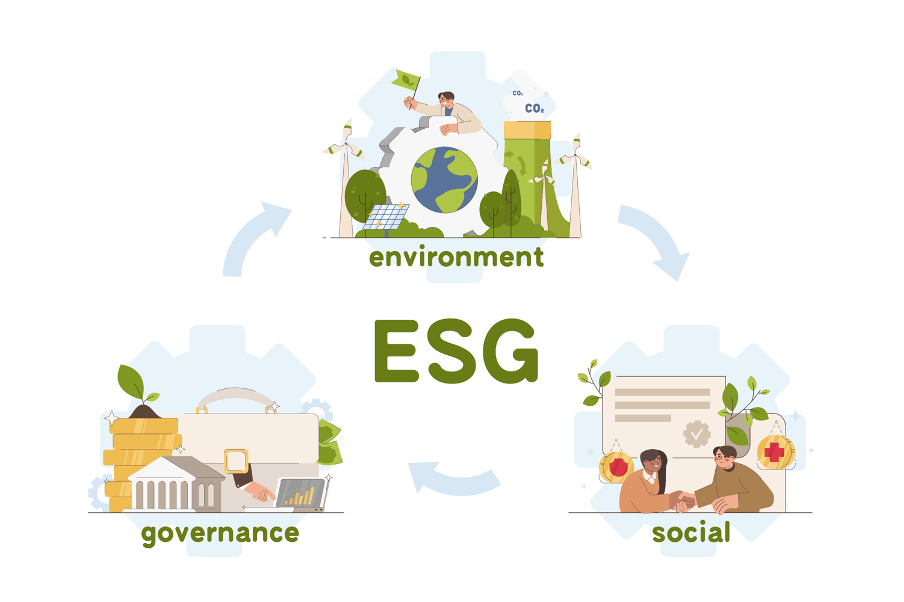
For years, ESG (Environmental, Social and Governance) reporting has focused on areas like carbon emissions, supply chains and corporate governance. But that’s changing.
As businesses become more digital, technology is now a measurable part of ESG performance. Investors, regulators and stakeholders are starting to ask more detailed questions, not just about how organisations operate, but about the infrastructure that supports them. And increasingly, that includes IT.
What was once considered a purely operational function, managed within IT departments and rarely discussed outside of them, is now being pulled into wider business conversations. Decisions are about impact, responsibility and accountability.
This shift is being driven by a combination of factors. Regulatory expectations are increasing, ESG frameworks are becoming more structured, and stakeholders are demanding greater transparency. At the same time, organisations themselves are under pressure to demonstrate measurable progress against sustainability goals. As a result, IT is moving from the background to the forefront.
ESG Is Moving from Narrative to Evidence
One of the biggest shifts in ESG is the move from high-level commitments to data-backed reporting. It’s no longer enough for organisations to say they are “sustainable” or “responsible.” They are now expected to demonstrate:
• Where their resources come from
• How assets are used
• What happens at end-of-life
• How waste is managed and reduced
This is where IT becomes particularly important. Unlike some areas of ESG, IT assets are tangible, trackable and auditable. Every device has a lifecycle, and every stage of that lifecycle can be measured. This creates both a challenge and an opportunity.
The Growing Pressure Around E-Waste
Electronic waste is becoming a key focus within ESG reporting and for good reason. As technology refresh cycles shorten, organisations are generating more retired equipment than ever before. Without structured processes in place, this can lead to:
• Stockpiling of unused devices
• Unclear disposal methods
• Missed opportunities for reuse or recovery
• Increased environmental impact
At the same time, regulatory scrutiny and stakeholder expectations are increasing. Investors, customers, and auditors are asking more detailed and specific questions about how organisations manage the full lifecycle of their IT assets. This includes not only how equipment is disposed of, but also how data is securely destroyed, how materials are recycled, and whether circular economy principles are being applied.
The Scale of the IT Footprint

Modern organisations rely on large amounts of technology. Laptops, servers, mobile devices, networking equipment and data centre infrastructure all contribute to a company’s digital footprint. As businesses scale, adopt cloud services and invest in new technologies like AI, this footprint continues to grow.
But with that growth comes impact.
• The world generated over 60 million tonnes of electronic waste in 2023, making it one of the fastest-growing waste streams globally
• Less than 20% of global e-waste is formally recycled, leaving a significant gap in responsible handling
• IT infrastructure also contributes to energy consumption, particularly in data centres and high-performance computing environments
The Role of NLTS in ESG-Aligned IT Management
NLTS supports businesses in managing the end-of-life stage of their IT assets in a way that aligns with both security and sustainability objectives. As organisations face increasing pressure to demonstrate responsible practices, having a clear, compliant, and transparent approach to IT disposal is no longer optional, it’s essential.
Through services such as:
• WEEE-compliant recycling
• Secure and traceable asset collection
• Certified data destruction
• Asset recovery and reuse
NLTS enables organisations to move from uncertainty to full visibility and control. Instead of treating IT disposal as an ad hoc or one-off task, it becomes a consistent, repeatable and auditable workflow.
This shift not only reduces risk, both environmental and operational, but also creates tangible value. Businesses gain clearer reporting, improved compliance and stronger alignment with ESG commitments. In turn, they are better equipped to demonstrate accountability to stakeholders, respond to audits with confidence and evidence their contribution to a more circular and sustainable economy.
The Opportunity: Turning IT into an ESG Strength
While the increased scrutiny around IT can be seen as a challenge, it also presents a significant opportunity. Organisations that take a proactive approach can:
• Strengthen their ESG reporting
• Improve operational efficiency
• Reduce environmental impact
• Enhance brand reputation
• Build trust with stakeholders
By bringing IT into the ESG conversation, businesses can turn what was once an overlooked area into a demonstrable strength.
The Changing Responsibility of IT
The role of IT in business has fundamentally changed and so has the responsibility that comes with it. What was once viewed primarily as a support function is now a core driver of innovation, efficiency and competitive advantage. But with that increased influence comes greater scrutiny and expectation.
As ESG reporting frameworks continue to evolve, IT is taking on a more central and visible role. This goes beyond system performance or uptime metrics. Organisations are now expected to demonstrate how their technology strategies contribute to sustainability goals, how they minimise waste, how they protect sensitive data throughout the asset lifecycle, and how they ensure transparency in their processes. In this context, IT becomes a key contributor to broader ESG outcomes, particularly within the environmental and governance pillars.
Organisations that recognise this shift early and take steps to embed the right processes, partnerships, and controls, will be far better positioned to navigate what comes next. They will be able to respond confidently to regulatory requirements, provide clear and credible data to stakeholders and demonstrate genuine progress against sustainability targets. Just as importantly, they will reduce risk, improve operational efficiency and unlock value that might otherwise be lost.
Call 0203 380 7075
Email: info@nlts.co.uk
Site: www.nlts.co.uk
North London Telecoms Systems
WEEE Registration Number and carrier licence:
CBDL156450
footer 2CBDU485395footer 2
We are looking to purchase Cisco, Avaya, Nortel, Mitel, Ericsson, siemens, shoretel, Alcatel, Snom.