
The Shift from Building Data Centres to Managing Them Responsibly
Thursday, July 23, 2026
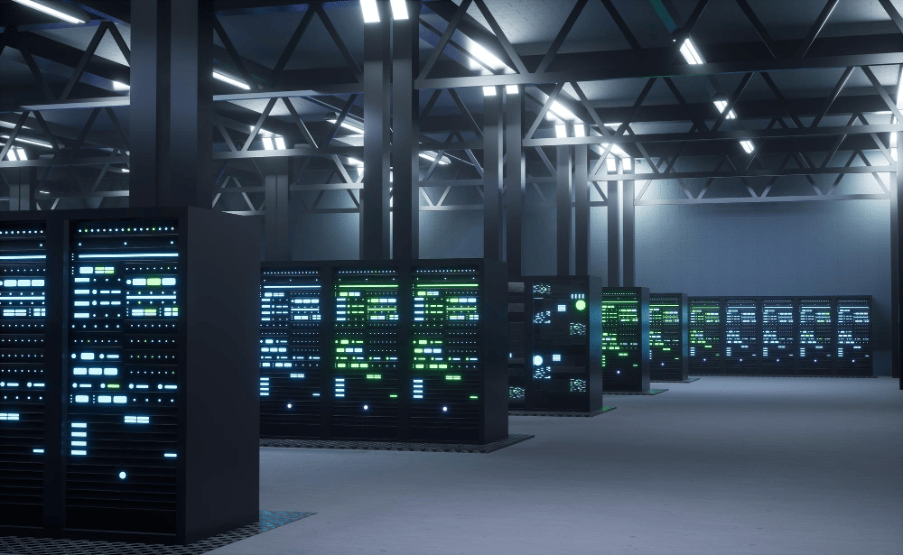
The conversation around data centres has changed dramatically over the past few years. For much of the last decade, the focus was on growth. Organisations wanted more computing power, greater storage capacity and faster connectivity to support cloud computing, digital services and an increasingly connected world. Success was often measured by how quickly new facilities could be built and how much capacity they could deliver. Today, the conversation is evolving. While expansion remains essential, businesses, governments and investors are asking a broader question: how can data centres be managed responsibly throughout their entire lifecycle?
From energy efficiency and resource consumption to hardware lifecycle management and electronic waste, responsible operation is becoming just as important as infrastructure growth itself. As digital infrastructure continues to underpin modern economies, organisations are recognising that building more data centres is only part of the challenge. Managing them sustainably, securely and efficiently is where long-term value will be created.
Data Centres Are Supporting a Digital-First World
Almost every digital service relies on data centres in some form. Whether it's online banking, video conferencing, cloud storage, e-commerce, healthcare systems or artificial intelligence, data centres provide the computing power needed to keep these services running around the clock.
According to Synergy Research Group, global spending on cloud infrastructure services reached more than $330 billion in 2025, reflecting the continued growth of cloud adoption and digital transformation across industries. That growth is driving ongoing investment in new data centre capacity as organisations demand greater performance, resilience and scalability.
At the same time, AI is placing even greater pressure on digital infrastructure. Advanced AI models require specialised processors, high-density server environments and sophisticated networking, significantly increasing the demand for modern facilities capable of supporting these workloads. As a result, the question is no longer whether more data centres are needed. It is how those facilities can be operated responsibly over many years.
Responsibility Starts Long Before a Data Centre Opens
When people think about sustainable data centres, they often picture renewable energy or efficient cooling systems. While these are undoubtedly important, responsible infrastructure begins much earlier.
Every data centre is built using thousands of components, including structural materials, electrical systems, networking equipment, servers, storage devices and backup power infrastructure. Each of these assets has its own environmental footprint, from the extraction of raw materials to manufacturing, transportation and installation.
According to the International Resource Panel, the extraction and processing of natural resources account for over 50% of global greenhouse gas emissions and more than 90% of biodiversity loss and water stress. This highlights an important point: responsible data centre management is not simply about reducing electricity use during operation. It also involves making better decisions about how infrastructure is sourced, maintained, upgraded and eventually retired.
The Lifecycle of Technology Is Getting Shorter
One of the biggest challenges facing data centre operators is the pace of technological change. New generations of processors, storage systems and networking equipment are being introduced at an increasingly rapid rate. Organisations are under pressure to improve performance, increase efficiency and support more demanding applications such as AI and advanced analytics.
This means hardware refresh cycles are becoming shorter. Equipment that once remained in production for seven or eight years may now be replaced much sooner to improve performance or reduce operational costs. Although these upgrades deliver clear business benefits, they also generate increasing volumes of retired technology that require careful management. Without appropriate planning, organisations risk creating unnecessary waste, losing visibility over valuable assets and exposing themselves to information security and compliance risks.
Sustainability Is Becoming a Business Requirement
Sustainability is no longer viewed as a standalone environmental initiative. Increasingly, it is influencing investment decisions, procurement processes and corporate reporting. Research from IBM's 2024 CEO Study found that 67% of CEOs say sustainability is central to their business strategy, while many organisations report that sustainability initiatives are delivering operational efficiencies alongside environmental benefits.
For data centre operators, this means demonstrating responsible resource management across the full lifecycle of infrastructure, not just reporting energy consumption. Extending equipment lifespans where appropriate, recovering value from surplus assets and recycling obsolete hardware responsibly all contribute towards broader sustainability objectives. These practices also support circular economy principles by keeping valuable materials in use for longer and reducing demand for newly manufactured equipment.
Security Cannot Be Overlooked
Every server, storage array or networking device removed from a data centre has the potential to contain sensitive information. Configuration files, system credentials, customer records, intellectual property and operational data may remain stored on retired equipment long after it has been disconnected.
Without secure data sanitisation, organisations expose themselves to unnecessary security risks. This is particularly important for organisations operating within regulated sectors such as finance, healthcare, telecommunications and government, where data protection requirements are especially stringent. Responsible infrastructure management therefore includes robust end-of-life security procedures alongside environmental considerations.
How NLTS Supports Responsible Data Centre Management
As organisations modernise infrastructure and expand AI capabilities, managing retired technology securely becomes an increasingly important part of operational planning. At NLTS, we help organisations maintain control over end-of-life IT assets through secure and fully compliant IT asset disposition (ITAD) services.
Our services include:
• Secure collections from offices, data centres and operational sites.
• Certified data destruction for data-bearing devices.
• Detailed asset reporting and complete audit trails.
• Asset recovery and refurbishment where appropriate.
• WEEE-compliant recycling for equipment that has reached the end of its useful life.
By ensuring retired technology is managed securely and responsibly, NLTS helps organisations reduce operational risk, support sustainability goals and maximise value from technology investments. Whether an organisation is carrying out a large-scale infrastructure refresh or replacing smaller volumes of equipment, responsible end-of-life management remains an important part of maintaining a resilient technology estate.
Responsible Infrastructure Creates Long-Term Value
Building new data centres will remain essential as AI, cloud computing and digital services continue to grow. However, the industry's success will increasingly be measured by how responsibly those facilities are managed after construction. This includes reducing waste, protecting sensitive information, improving resource efficiency and adopting technology lifecycle strategies that support long-term sustainability.
Responsible management also strengthens operational resilience. Organisations with clear asset management processes, secure decommissioning procedures and transparent reporting are often better prepared to respond to changing business requirements while maintaining compliance and reducing unnecessary costs.
Looking Ahead
The future of digital infrastructure isn't simply about building bigger or faster data centres. It's about creating facilities that are efficient, secure and designed with their entire lifecycle in mind. From procurement and deployment to maintenance, upgrades and end-of-life management, every stage presents an opportunity to improve efficiency, reduce environmental impact and strengthen operational resilience.
As demand for digital services continues to rise, organisations that embrace responsible infrastructure management will be better positioned to meet evolving customer expectations, achieve sustainability goals and maximise the long-term value of their technology investments. The shift from building data centres to managing them responsibly is already underway. Those organisations that recognise this change today will be better equipped to support the digital economy of tomorrow, securely, sustainably and with greater confidence.
Call 0203 380 7075
Email: info@nlts.co.uk
Site: www.nlts.co.uk
North London Telecoms Systems
WEEE Registration Number and carrier licence:
CBDL156450
footer 2CBDU485395footer 2
We are looking to purchase Cisco, Avaya, Nortel, Mitel, Ericsson, siemens, shoretel, Alcatel, Snom.