
The Rise of Component Recovery in a Changing IT Disposal Market
Thursday, December 04, 2025
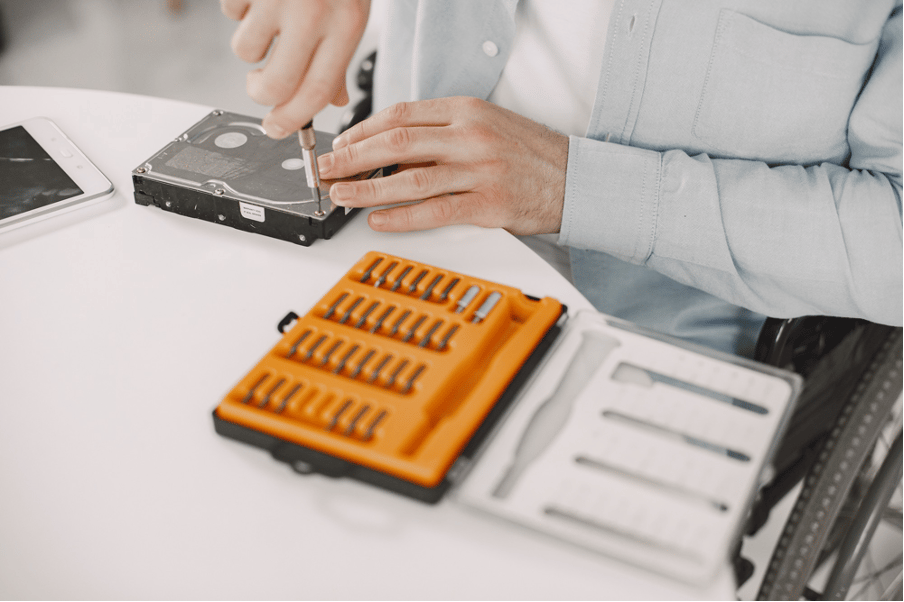
For years, recycling was the default route for dealing with retired IT equipment. Once hardware reached the end of its working life, it was broken down for materials and moved out of sight. That approach made sense when technology cycles were slower, supply chains were stable, and sustainability was seen largely as a compliance issue rather than a business priority.
Today, the landscape looks very different. Data volumes continue to surge, hardware refresh cycles are accelerating, global supply chains remain fragile, and environmental expectations are higher than ever. In this new reality, simply recycling equipment is no longer enough. More organisations are now turning to component recovery as a smarter and more strategic alternative, one that reflects both commercial and environmental pressures.
Sustainability still plays a role, but the bigger story is about value, long-term resilience, and a more considered approach to digital transformation. Businesses are realising that what happens to IT assets at the end of their life can directly impact cost control, supply security, ESG performance, and overall operational strength.
Why the Traditional IT Recycling Model Is No Longer Enough
For years, IT recycling focused on breaking down equipment into raw materials such as plastics, steel, aluminium, and copper. While this approach reduces landfill and supports basic environmental targets, it often destroys high-value components that still have years of usable life.
At the same time, organisations today face new pressures:
• Global shortages of chips and critical components
• Escalating technology costs
• Tighter ESG and environmental reporting regulations
• Increased scrutiny of corporate waste practices
• Shorter hardware refresh cycles driven by AI and power constraints
In this new environment, recycling alone no longer meets commercial or environmental expectations. Businesses now need disposal strategies that recover maximum value while reducing waste and carbon impact. This is where component recovery is taking centre stage.
What Is Component Recovery and Why Is It Growing So Fast?
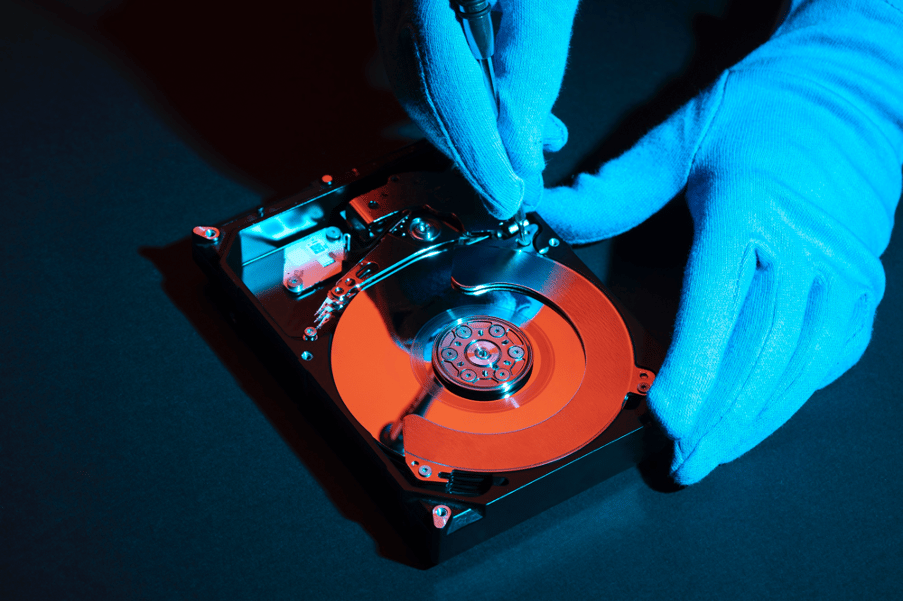
Component recovery focuses on extracting, testing, and reusing individual parts from retired IT assets rather than shredding entire devices. These components can include:
• CPUs and GPUs
• Memory modules
• Storage drives
• Power supplies
• Network cards and motherboards
Instead of being melted down, these parts are reintroduced into the supply chain, helping to meet demand while avoiding the environmental cost of new production.
This approach is growing rapidly because it answers three major challenges facing today’s IT market:
1. Supply Chain Instability
Ongoing geopolitical pressures, chip shortages, and manufacturing delays have made new hardware harder to obtain and more expensive. Recovered components offer a reliable secondary supply.
2. Sustainability and ESG Accountability
Investors, regulators, and customers now expect real, measurable sustainability action, not surface-level recycling claims. Reuse through component recovery significantly reduces carbon emissions compared to manufacturing new parts.
3. Financial Efficiency
Recovering components unlocks far greater financial return than raw material recycling, turning IT disposal from a cost into a potential revenue stream.
The Data Centre Effect Powering the Shift
Data centres are one of the strongest drivers behind the rise of component recovery. As power constraints, AI workloads, and efficiency targets force faster hardware refresh cycles, enormous volumes of equipment are being retired earlier than expected, often while still highly valuable.
Many of these assets are perfectly suited for component reuse, particularly high-demand parts such as GPUs, enterprise storage, and server memory. Organisations that adopt component recovery:
• Extend the economic life of their infrastructure
• Reduce capital expenditure on new components
• Strengthen sustainability reporting
• Reduce exposure to volatile hardware pricing
How NLTS Supports Secure and Responsible Component Recovery
While component recovery offers major benefits, it must be managed with absolute security, compliance, and traceability. Retired hardware still contains sensitive data, firmware, and proprietary configurations. This is where NLTS plays a critical role.
NLTS ensures that component recovery is carried out in a way that protects data, brand reputation, and environmental commitments through:
Certified Data Destruction
• Before any component enters the reuse stream, NLTS ensures secure and certified data destruction, eliminating the risk of residual data exposure.
Secure Asset Handling and Tracking
• Each asset is processed through a fully auditable chain of custody, giving organisations full visibility and compliance reporting.
Intelligent Asset Recovery
NLTS identifies which components should be:
• Reused
• Refurbished
• Repurposed
• Recycled as a last resort
This ensures maximum financial and environmental return from every asset.
ESG and Circular Economy Alignment
• By prioritising reuse over destruction, NLTS directly supports circular economy objectives and strengthens ESG metrics for sustainability reporting.
The Future of IT Disposal Is Recovery, Not Waste
Component recovery is no longer a passing trend. It reflects a lasting change driven by rising costs, greater environmental responsibility, and growing demand for technology. As refresh cycles speed up and supply chains continue to face disruption, organisations are being pushed to rethink how they manage equipment at the end of its life.
Through secure processing, certified data destruction, responsible disposal, and intelligent asset recovery, NLTS helps organisations adopt this more effective approach, turning retired technology into real business value while protecting data, reputation, and the environment.
Call 0203 380 7075
Email: info@nlts.co.uk
Site: www.nlts.co.uk
North London Telecoms Systems
WEEE Registration Number and carrier licence:
CBDL156450
footer 2CBDU485395footer 2
We are looking to purchase Cisco, Avaya, Nortel, Mitel, Ericsson, siemens, shoretel, Alcatel, Snom.