
The Coming Wave of Data Centre Decommissioning
Thursday, February 12, 2026
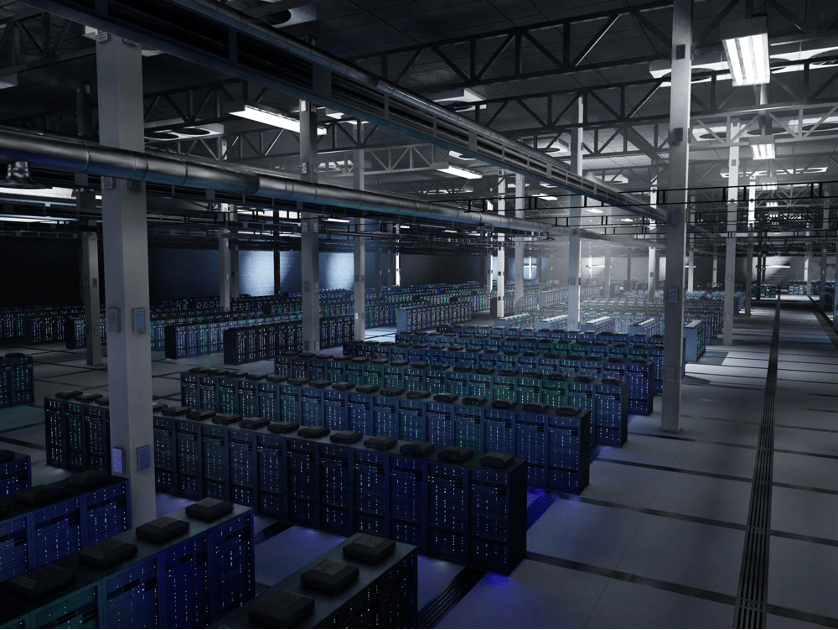
The global data centre footprint has expanded at an unprecedented pace over the last decade. Cloud adoption, AI, edge computing and digital transformation have driven massive investment in servers, storage and networking equipment. But while the industry often focuses on building and scaling, a quieter shift is underway: We are entering a significant wave of data centre decommissioning. For organisations, this is not just an operational exercise. It is a complex intersection of cybersecurity, regulatory compliance, sustainability, and financial recovery. Decommissioning is no longer simply about powering down equipment, it is about safeguarding data, demonstrating accountability, and extracting value at end-of-life. Those who plan strategically will turn a necessary transition into a measurable advantage.
Why Decommissioning Is Accelerating
1. Shorter Technology Lifecycles
Enterprise hardware refresh cycles are shrinking. Servers that once remained in production for five to seven years are now commonly replaced within three to five years due to:
• AI and high-performance computing demands
• Virtualisation and cloud migrations
• Energy efficiency upgrades
• Vendor support limitations
At the same time, organisations are consolidating legacy facilities as they migrate to hyperscale or hybrid cloud environments. The result is a growing volume of entire server rooms and in some cases full data centres being retired.
Industry analysts estimate the global data centre decommissioning market is valued in billions of pounds and is forecasted to grow steadily over the remainder of the decade, driven by cloud migration and infrastructure modernisation. This is not a temporary spike; it is a structural shift in how IT estates evolve.
2. Security Risks at End-of-Life
Every server, firewall and backup appliance contain data. Even decommissioned hardware may retain:
• Personally identifiable information (PII)
• Financial records
• Intellectual property
• Authentication credentials
• Archived emails and backups
According to IBM’s 2023 Cost of a Data Breach Report, the global average cost of a data breach reached $4.45 million. While breaches are often associated with cyberattacks, a surprising number stem from improperly disposed hardware or lost devices. The misconception that “we deleted it” is sufficient remains widespread. Data remanence (residual data left on storage media after deletion), can persist unless devices are sanitised according to recognised standards.
This is where structured decommissioning becomes critical. NLTS ensures:
• Full asset inventory reconciliation
• Certified data erasure or physical destruction
• Secure chain of custody documentation
• Audit-ready reporting
3. Regulatory and Audit Pressure
Regulators increasingly expect organisations to demonstrate control over data throughout its entire lifecycle, including disposal. Under GDPR, organisations must implement appropriate technical and organisational measures to protect personal data. That obligation does not end when equipment is powered down. Similarly, WEEE regulations require responsible processing and recycling of electronic waste.
Auditors now routinely request:
• Certificates of destruction
• Serial number tracking
• Proof of compliant recycling
• Documented chain of custody
Failure to evidence proper decommissioning can expose organisations to regulatory scrutiny, reputational damage and financial penalties. As a result, decommissioning is moving from a facilities-level decision to a governance-level concern.

Globally, electronic waste is one of the fastest-growing waste streams. The Global E-waste Monitor reported that 62 million metric tonnes of e-waste were generated in 2022, with projections rising sharply toward the end of the decade.
Data centres are significant contributors due to:
• High-density hardware turnover
• Large-scale refresh cycles
• Infrastructure redundancy
However, decommissioning also presents opportunity. Servers, networking equipment and storage arrays often retain residual market value. When processed correctly through certified IT asset recovery, equipment can be:
• Refurbished and reintroduced to secondary markets
• Responsibly recycled under WEEE standards
• Broken down for material recovery (including rare metals)
This supports circular economy objectives while helping organisations offset decommissioning costs. Increasingly, ESG reporting frameworks require transparency around Scope 3 emissions and waste management, making responsible IT disposal part of broader sustainability strategy.
The Strategic Opportunity
The coming wave of decommissioning is inevitable. Ageing infrastructure, cloud migration, AI expansion and energy optimisation will continue to drive hardware turnover. Organisations that treat decommissioning as an afterthought will face unnecessary risk. Those that integrate structured end-of-life planning into their IT lifecycle strategy will gain:
• Reduced cyber exposure
• Stronger audit defensibility
• Improved ESG performance
• Financial value recovery
• Enhanced reputational trust
The coming wave is not just about retiring hardware. It is about protecting data, preserving value, and ensuring that the end of a system’s life does not become the beginning of a problem.
Call 0203 380 7075
Email: info@nlts.co.uk
Site: www.nlts.co.uk
North London Telecoms Systems
WEEE Registration Number and carrier licence:
CBDL156450
footer 2CBDU485395footer 2
We are looking to purchase Cisco, Avaya, Nortel, Mitel, Ericsson, siemens, shoretel, Alcatel, Snom.