
The Circular Business Model: What It Means for Your IT Assets
Thursday, August 14, 2025
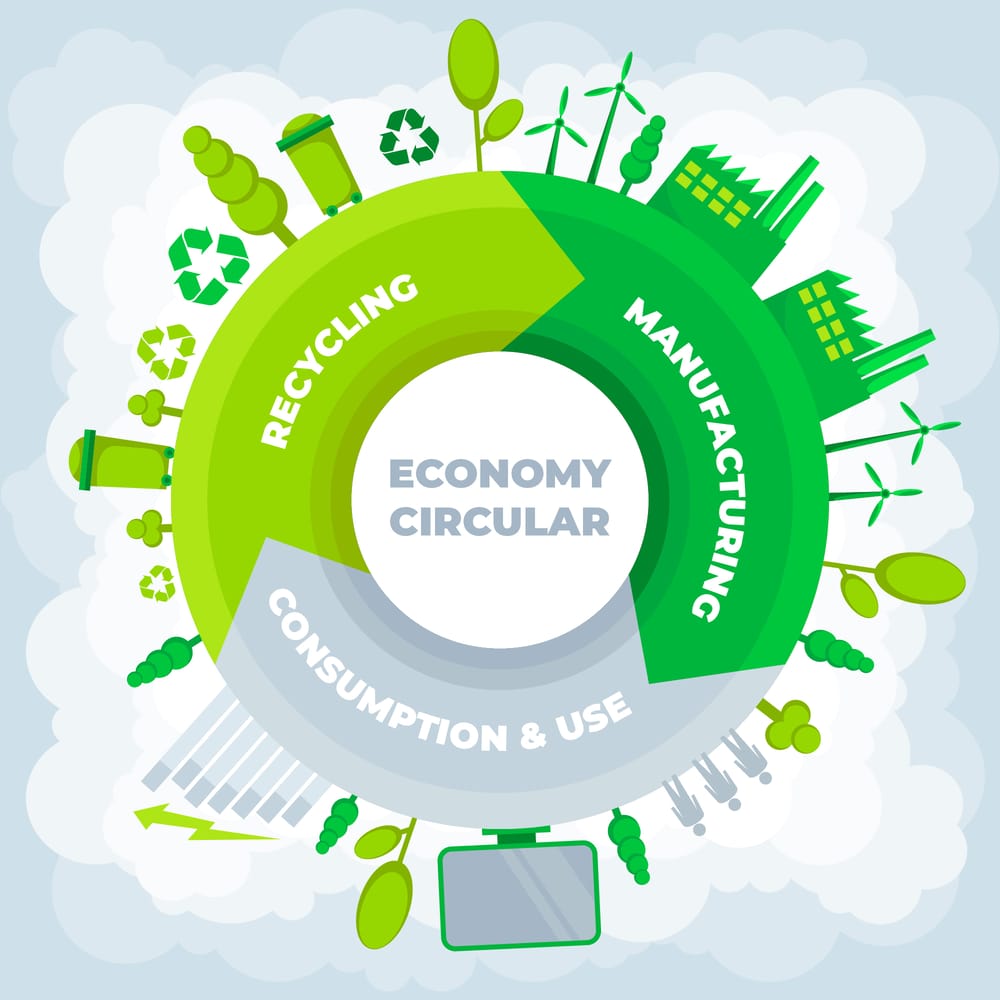
Technology turnover in modern businesses is accelerating at an unprecedented pace. New innovations, security demands, and performance upgrades mean companies replace laptops, desktops, servers, and networking equipment far more frequently than they did a decade ago. While this boosts efficiency and competitiveness, it also creates a growing challenge: what to do with the large volume of redundant IT assets left behind.
For many businesses, the default path is still linear, buy, use, and then dispose. Equipment often ends up gathering dust in a storeroom, sold off without secure data destruction, or sent to landfill through non-compliant channels. The circular business model offers a much smarter, more sustainable approach towards a greener and more profitable cycle.
Understanding the Circular Business Model
The circular business model is built around a simple but powerful principle: keep products, components, and materials in use for as long as possible, extracting maximum value before recovery and regeneration.
In a traditional linear model, IT assets follow a “take, make, dispose” cycle. This creates unnecessary waste and places constant demand on raw materials. In contrast, the circular approach focuses on:
• Reuse: Extending the lifespan of IT equipment through redeployment, resale, or donation.
• Refurbishment: Upgrading and restoring hardware to a usable, saleable standard.
• Recycling: Breaking down end-of-life assets to recover valuable materials like precious metals.
• Resource Recovery: Extracting components for reuse in new products, reducing the need for fresh manufacturing.
When applied to IT asset management, the circular model not only cuts waste but also generates measurable business benefits, financial, environmental, and reputational.
Why the Circular Approach Matters for Your IT Assets
For UK businesses, integrating circular principles into IT asset disposal is no longer just a “nice to have”, it’s a strategic imperative. Here’s why:
1. Financial Recovery
Many IT assets retain significant resale value, even when they’ve been replaced internally. Through NLTS’s asset recovery, we identify equipment that can be refurbished and resold, helping you recoup a portion of your initial investment. This turns your old technology into a revenue source rather than a disposal cost.
2. ESG & Sustainability Goals
Environmental, Social, and Governance (ESG) reporting is becoming a key factor for investors, clients, and partners. Demonstrating that your IT disposal process reduces landfill waste, conserves raw materials, and lowers carbon emissions can strengthen your ESG profile. NLTS has already helped clients save over 1,000 tonnes in carbon emissions through responsible recycling and recovery.
3. Data Security Compliance
Disposing of IT equipment without appropriate data destruction exposes businesses to the risk of data breaches, GDPR fines, and reputational damage. NLTS provides ISO 27001 and 9001 certified data destruction, ensuring all sensitive data is irreversibly erased or physically destroyed before equipment leaves your possession.
4. Reduced Carbon Footprint
Extending the life of IT hardware reduces the need for new manufacturing, which significantly cuts greenhouse gas emissions. With NLTS, clients not only meet sustainability targets but also benefit from collection routes optimised to minimise transportation emissions, further supporting carbon reduction strategies.
How NLTS Helps Businesses Adopt the Circular Model
At NLTS, we make it simple for organisations to transition from a linear disposal approach to a circular one. Our end-to-end service includes:
1. Site Assessment & Collection: We review your IT to identify reusable, recoverable, and recyclable assets. Our logistics network covers the UK and extends worldwide for clients with global operations.
2. Certified Data Destruction: All data-bearing devices undergo secure wiping or shredding, in line with ISO 27001 and ISO 9001 standards, with full audit trails provided.
3. Refurbishment & Asset Recovery: Equipment with resale potential is refurbished to industry standards and remarketed, returning value directly to your business.
4. Responsible Recycling: Assets that can’t be reused are recycled according to WEEE (Waste Electrical and Electronic Equipment) regulations, guaranteeing maximum material recovery and minimal landfill impact.
5. Detailed Reporting: Every project comes with transparent documentation from certificates of data destruction to environmental impact reports, giving you proof of compliance and sustainability progress.
Why Now Is the Time to Act

The UK is currently facing one of the fastest-growing e-waste problems in Europe. Businesses that take a proactive stance now will not only avoid future compliance risks but also position themselves as leaders in sustainability. By partnering with NLTS, you can align your IT asset management with the circular economy reducing costs, improving security, and strengthening your green credentials.
Turning Waste into Opportunity
The circular business model is more than an environmental initiative, it’s a smart, forward-thinking strategy for maximising the value of IT assets while safeguarding your brand reputation.
With NLTS as your partner, you can be confident that your old IT equipment including laptops we can expertly repair for extended use, will be handled securely, sustainably, and in a way that benefits your business long after its first lifecycle ends. Whether your priority is asset recovery, carbon reduction, or compliance, the circular model delivers, and we can help you put it into action today.
Call 0203 380 7075
Email: info@nlts.co.uk
Site: www.nlts.co.uk
North London Telecoms Systems
WEEE Registration Number and carrier licence:
CBDL156450
footer 2CBDU485395footer 2
We are looking to purchase Cisco, Avaya, Nortel, Mitel, Ericsson, siemens, shoretel, Alcatel, Snom.