
One Click, One Breach: How Ransomware Can Destroy a Business
Thursday, March 27, 2025
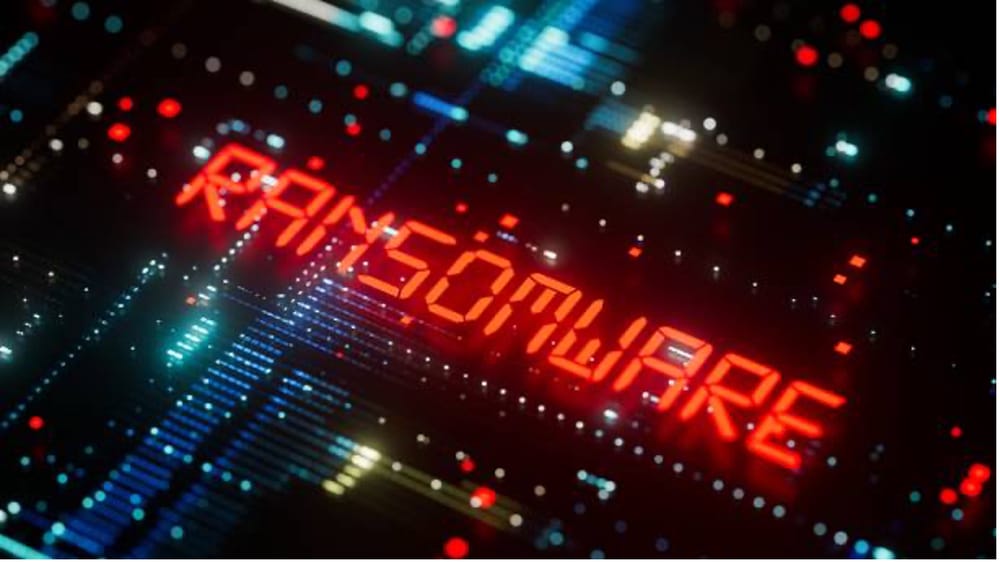
Ransomware attacks are surging, attacking businesses of all sizes with a disastrous aftermath. It has emerged as one of the most dangerous and expensive cyber threats, able to bring organisations to a standstill within seconds. All that is required is an incorrect click on a phishing email or a corrupted website, and your company’s data can be encrypted and held in captivity. The impact? Financial losses, reputational damage, and, in worst-case scenarios, business closure in instances where they are unable to retrieve their data. This is why NLTS partners with businesses globally to provide IT asset disposal and data destruction services, so that sensitive data doesn’t fall into the wrong hands. The undeniable truth is that no company is immune from this, keep reading to discover how you can safeguard your business from this attack.
How Ransomware Works
Ransomware is a type of malware designed to block access to files or entire systems until a ransom is paid. Invaders regularly use phishing emails, malicious links, or compromised software to enter a network. Once inside, the malware encrypts vital files, leaving businesses with two choices: pay the ransom (with no guarantee of getting their data back) or attempt recovery, which can be expensive and time intensive.
Real-World Consequences
Companies across sectors have fallen victim to ransomware, from small businesses to worldwide corporations. Some endure weeks of downtime, costing them millions in lost revenue, while others face permanent data loss. Worse, paying the ransom doesn’t always ensure your data will return, cybercriminals have been known to receive payment and not return it, or even re-target the same company down the line.
How to Protect Your Business
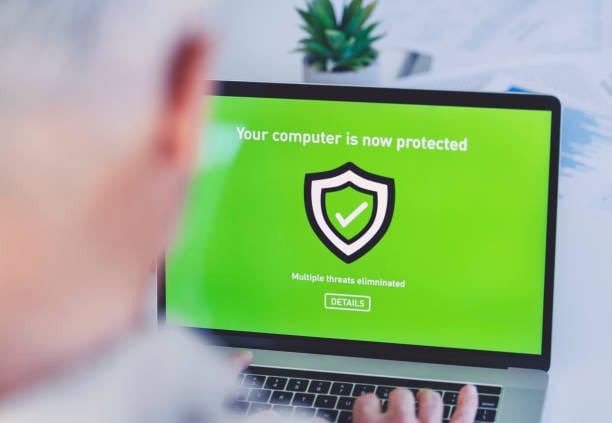
The best defence against ransomware is proactive prevention. Here’s what you can do to stay secure:
1. Employee Training: Train your employees on how to recognise phishing emails and to refrain on clicking on suspicious links.
2. Regular Backups: Sustain offline, continuous backups of sensitive data to allow business continuity.
3. Endpoint Protection: Allocate investment into an advanced cybersecurity software that identifies and restricts ransomware threats.
4. Patch and Update Systems: Maintain software and operating systems renewals to eliminate security loopholes.
5. IT Asset Disposal: Allow proper disposal of obsolete IT equipment to avoid data leaks from devices.
6. Incident Response Plan: Possess a transparent action plan in preparation of an attack to reduce damage and recovery time.
How NLTS Can Help
At NLTS, we understand that cybersecurity isn’t just about digital safeguarding, it’s also about IT asset disposal. Incorrectly disposed of IT equipment can become a goldmine for cybercriminals looking for sensitive information.
That’s why we offer data destruction services, verifying that old hardware is wiped clean and disposed of in adherence with ISO 9001 and ISO 27001 standards, that we are accredited for.
We work with businesses and data centres worldwide, including Central America, Asia, South America, Australia, USA, and Europe, helping them securely manage and dispose of IT assets. Whether it's a large corporation or a local business, our team provides customised solutions that align with industry best practices and compliance requirements.
Call 0203 380 7075
Email: info@nlts.co.uk
Site: www.nlts.co.uk
North London Telecoms Systems
WEEE Registration Number and carrier licence:
CBDL156450
footer 2CBDU485395footer 2
We are looking to purchase Cisco, Avaya, Nortel, Mitel, Ericsson, siemens, shoretel, Alcatel, Snom.