
New Data Regulations Are Coming, Is Your IT Disposal Process Ready?
Thursday, April 09, 2026
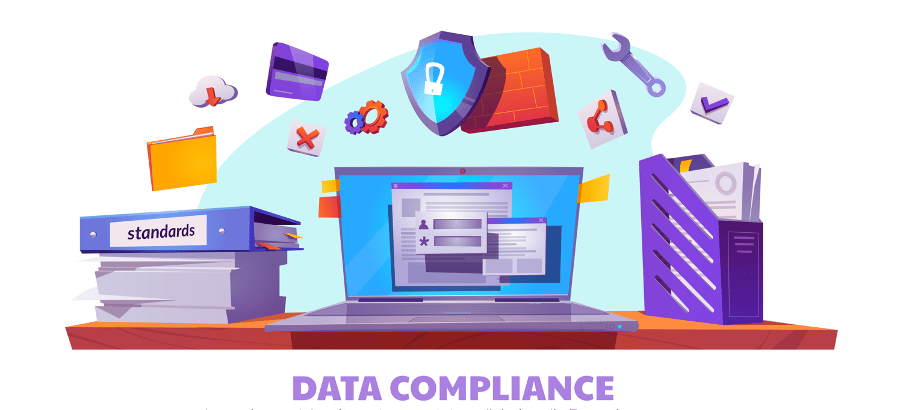
For many organisations, cyber security conversations start and often stop at firewalls, endpoint protection and user access controls. Boards, IT teams and compliance officers focus on preventing external breaches and monitoring internal networks, confident that data is “secure.”
In today’s regulatory and threat environment, retiring a laptop, server, or storage device isn’t the end of the risk, it’s often the point where data exposure is most likely. Between lost or improperly handled assets, recycling gaps and increasing regulatory scrutiny, organisations are facing a new challenge: ensuring that end-of-life IT doesn’t become a source of data breaches, compliance failures, or financial penalties.
With new regulations coming into force, including updates to the WEEE framework and tightening obligations under the UK GDPR and Data Protection Act, organisations can no longer afford to treat IT disposal as a logistical afterthought.
The question every business must ask now is simple: “Can we prove that our data is truly gone when a device leaves our control?”
The Scale of the Problem Is Bigger Than You Think
E-waste is now one of the fastest-growing waste streams globally and the UK is no exception.
• The UK produces millions of tonnes of electronic waste every year
• Globally, over 50 million tonnes of e-waste are generated annually
• Yet only around 20–30% is formally recycled through compliant channels
That means a significant proportion of IT assets:
• Are improperly handled
• Enter secondary markets without proper data sanitisation
• Or are simply unaccounted for
Every retired laptop, server, or hard drive represents a potential data exposure point.
Data Doesn’t Disappear, It Persists
One of the most dangerous misconceptions in IT disposal is the belief that deletion equals destruction.
It doesn’t.
• Deleted files can often be recovered using widely available tools
• Formatting a drive does not remove underlying data
• Even some overwrite methods can leave residual data traces
Without proper sanitisation or physical destruction:
Data can remain accessible long after a device leaves your control and once it leaves your control, so does your visibility.
Why Regulators Are Paying Attention
Regulation is evolving to reflect this reality. In the UK and across Europe, organisations now operate under overlapping obligations that directly impact IT disposal:
1. Data Protection Laws (UK GDPR & Data Protection Act 2018)
These require organisations to:
• Ensure secure and irreversible destruction of personal data
• Prevent unauthorised access at any stage of the data lifecycle
• Demonstrate accountability and evidence of compliance
Failure to do so can result in:
• Significant fines
• Reputational damage
• Mandatory breach reporting
2. WEEE Regulations (Including Ongoing Updates)
The Waste Electrical and Electronic Equipment framework now places increasing emphasis on:
• Responsible recycling and recovery
• Proper handling through authorised providers
• Full documentation and traceability of waste streams
What’s often overlooked is that WEEE is not just an environmental regulation, it intersects directly with data risk and compliance.
3. Duty of Care & Environmental Legislation
Organisations are legally responsible for:
• Ensuring waste is handled safely
• Verifying third-party providers
• Maintaining clear audit trails
This responsibility does not transfer when assets leave your site.
What Regulators Expect in 2026 and Beyond

The direction of travel is clear. Regulators are increasingly expecting organisations to demonstrate:
End-to-End Accountability
• From asset decommissioning to final destruction
Full Chain of Custody
• Who handled the asset, when, and where
Certified Data Destruction
• Using recognised standards and methods
Audit-Ready Documentation
• Including destruction certificates and reporting
Separation of Duties
• Clear distinction between recycling and data destruction processes
Final Thought: The Question Regulators Will Ask
As we move further into 2026, one thing is certain, IT asset disposal is a governance and compliance imperative. Organisations can no longer rely on assumptions, “good intentions,” or the belief that third parties will handle disposal securely. Regulators, auditors and customers increasingly expect full transparency, documented evidence, and traceable accountability for every retired asset.
Organisations that fail to implement a structured, compliant IT disposal process face not only financial penalties but also reputational damage, data breaches and missed opportunities to recover residual value from retired equipment.
Call 0203 380 7075
Email: info@nlts.co.uk
Site: www.nlts.co.uk
North London Telecoms Systems
WEEE Registration Number and carrier licence:
CBDL156450
footer 2CBDU485395footer 2
We are looking to purchase Cisco, Avaya, Nortel, Mitel, Ericsson, siemens, shoretel, Alcatel, Snom.