
Inside the Surge of Data Centre Upgrades and What Happens to Old Equipment
Thursday, November 20, 2025
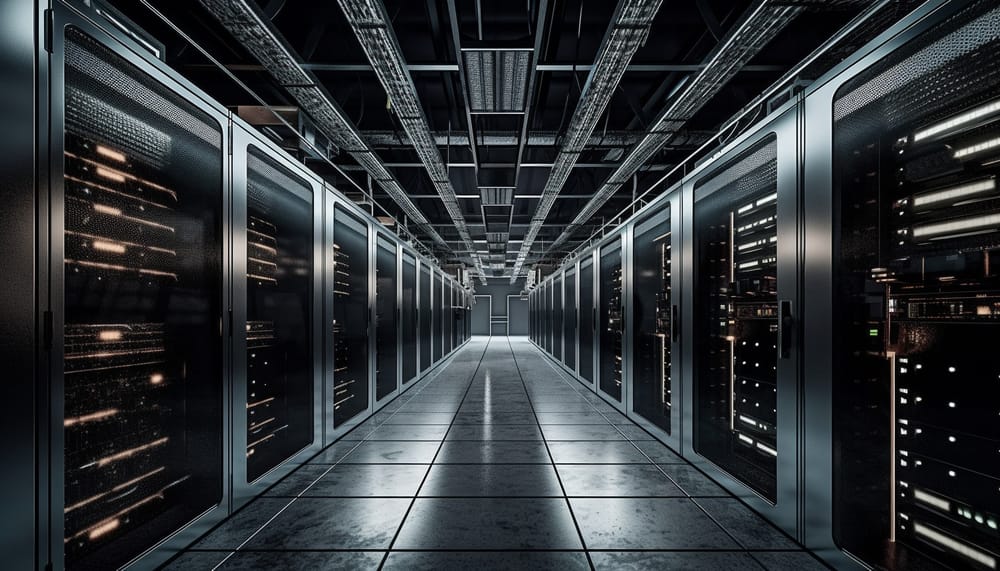
The demand for data has never been higher. AI workloads, cloud migration, real-time analytics, and global digital services are all driving organisations to expand and modernise their data centre environments at unprecedented speed. In fact, recent industry reports indicate that global data centre capacity is expected to grow by more than 12% annually, fuelled by businesses racing to keep up with performance, efficiency, and compliance requirements.
But while the focus is often on new racks, new servers, new cooling systems, there is another side to this transformation that rarely gets the attention it deserves:
What happens to all the old equipment being decommissioned?
This overlooked phase of the data centre lifecycle carries significant financial, environmental, and security implications. And as organisations accelerate their upgrade cycles, the volume of retired hardware is climbing fast.
Below, we explore what’s driving the upgrade surge, why decommissioning matters more than ever, and how companies can turn old assets into value instead of risk, with support from specialists like NLTS.
Why Data Centre Upgrades Are Accelerating
1. Rising Energy Costs and Efficiency Pressures
Older hardware consumes more energy and generates more heat. With energy prices rising globally and sustainability targets tightening, organisations are fast-tracking the refresh of inefficient equipment.
Modern servers can deliver up to 10x the performance at a fraction of the power consumption, making upgrades both an operational and financial necessity.
2. AI and High-Performance Compute (HPC) Demands
AI and machine learning workloads require powerful, optimised infrastructure. Many legacy systems simply can’t handle the requirements of GPUs, dense storage clusters, or high-throughput networking.
3. Security and Compliance Requirements
Outdated hardware often lacks the security features required to protect modern workloads. Cybersecurity frameworks are increasingly explicit about vulnerabilities in unsupported equipment.
To maintain compliance, businesses are upgrading more frequently and retiring more equipment as a result.
4. Cloud Migration and Hybrid Models
Many organisations are consolidating on-premises estates, shifting to hybrid or cloud-first models. This leaves racks of unused hardware ready for decommissioning.
The Forgotten Side of Modernisation: Retired Equipment
Data centre upgrades produce a significant amount of redundant technology, servers, switches, storage arrays, cabling, UPS units, and more. And this technology can’t simply be unplugged and ignored.
Old equipment carries three major risks:
1. Data Exposure
Storage devices often hold sensitive or regulated information. Without data destruction, these assets pose a serious breach risk.
2. Environmental Impact
Data centres generate thousands of tonnes of e-waste every year. Improper disposal contributes to pollution, landfill waste, and lost materials that could otherwise be reused or recycled.
3. Financial Waste
Many organisations overlook the residual value in retired equipment. Even outdated assets often contain components or materials that can be recovered, refurbished, or remarketed.
This is where a strategic, structured decommissioning process becomes essential.
How Smarter Decommissioning Protects Value and Reduces Risk
Modernising a data centre shouldn’t end with installation. The way old assets are handled can create measurable benefits.
✔ Certified Data Destruction
Ensuring all data-bearing devices are wiped or shredded according to industry standards eliminates the risk of a breach long after the equipment leaves the building.
✔ Sustainable IT Disposal
Responsible recycling prevents harmful materials entering landfill and supports the circular economy by recovering usable metals and components.
✔ Asset Recovery
Even depreciated hardware can generate revenue when managed correctly. Refurbished components can re-enter the secondary market, offsetting upgrade costs.
✔ Full Chain-of-Custody Compliance
A transparent, auditable decommissioning process helps organisations meet internal governance policies as well as regulatory requirements.
Where NLTS Makes a Difference
As organisations navigate large-scale upgrades, NLTS provides end-to-end support for data centre decommissioning, combining security, sustainability, and value recovery in one seamless service.
Whether a company is refreshing a single row of servers or decommissioning an entire facility, NLTS helps ensure old equipment is handled securely, responsibly, and professionally.
The Future of Data Centre Upgrades
As the digital landscape continues to evolve, the volume of retired hardware will only increase. Organisations that treat decommissioning as a strategic stage, not an afterthought, stand to gain the most. From protecting sensitive data to supporting sustainability goals and unlocking hidden value, smarter decommissioning is becoming an essential part of the data centre lifecycle.
And with NLTS, businesses can modernise confidently, knowing their legacy equipment is being handled with the highest standards of security, compliance, and environmental responsibility.
Call 0203 380 7075
Email: info@nlts.co.uk
Site: www.nlts.co.uk
North London Telecoms Systems
WEEE Registration Number and carrier licence:
CBDL156450
footer 2CBDU485395footer 2
We are looking to purchase Cisco, Avaya, Nortel, Mitel, Ericsson, siemens, shoretel, Alcatel, Snom.