
How Responsible IT Disposal Supports a Sustainable Digital Future
Thursday, October 16, 2025

Every new server upgrade, laptop refresh, or data centre migration adds to a growing pile of electronic waste (e-waste) that threatens not only the environment but also our digital sustainability goals. As businesses accelerate their digital transformation journeys, responsible IT disposal has become a critical (yet often overlooked) component of building a sustainable digital future.
At NLTS, we help organisations bridge the gap between innovation and responsibility, ensuring every retired asset is managed securely, sustainably, and in line with ESG commitments.
The Digital Footprint We Can’t Ignore
The digital world might seem weightless, but its environmental impact is anything but. The production, use, and disposal of IT hardware contribute significantly to global carbon emissions. According to the UN, the world generates over 50 million tonnes of e-waste each year, a figure expected to rise as demand for technology continues to grow.
Yet only around 20% of that waste is properly recycled. The rest ends up in landfills, where toxic materials like lead, mercury, and cadmium can contaminate soil and water systems.
For businesses, this presents a dual challenge: how to continue adopting cutting-edge technology without compromising on environmental responsibility or data security.
Responsible Disposal Starts with Secure Data Management
Every retired device, from hard drives and servers to laptops and mobile phones holds traces of sensitive information. If left unmanaged, these devices pose serious risks to compliance, reputation, and even customer trust. Responsible IT disposal starts with data destruction, ensuring no recoverable information remains before devices are repurposed, resold, or recycled.
At NLTS, we provide:
• Certified data destruction and sanitisation to meet GDPR and ISO 27001 standards.
• On-site and off-site services for full transparency and chain of custody.
• Audit-ready documentation, ensuring accountability at every stage.
This approach ensures sustainability and security go together, protecting your organisation and the planet at the same time.
The Circular Approach: Extending the Life of IT Assets
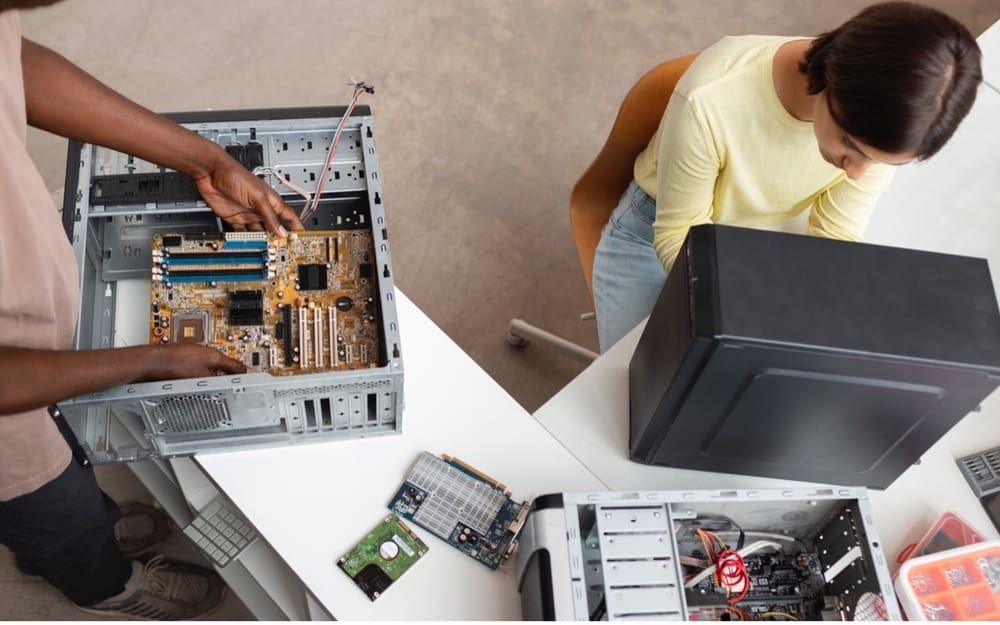
Sustainability doesn’t end with recycling; it begins with reuse and refurbishment. Through the circular economy model, IT assets can be given a second life, reducing demand for new manufacturing and the associated environmental cost.
NLTS helps businesses recover value from redundant equipment by:
• Repairing and refurbishing devices for reuse where possible.
• Recovering parts and materials for responsible recycling.
• Reducing waste to landfill, helping meet ESG and carbon reduction targets.
This closed-loop approach turns disposal into an opportunity, one where every asset contributes to a more sustainable digital ecosystem.
Digital Sustainability as a Business Imperative
Digital sustainability isn’t just an environmental concern, it’s a strategic advantage. As investors, regulators, and consumers increasingly demand greener practices, companies that manage IT responsibly are better positioned for the future.
Implementing responsible disposal practices:
• Enhances corporate reputation and transparency.
• Strengthens data compliance and security.
• Supports long-term cost savings through asset recovery and resource efficiency.
The Takeaway
The digital era brings immense opportunity, but with it, a responsibility to manage technology ethically and sustainably. By adopting responsible IT disposal practices, businesses can protect their data, reduce their environmental impact, and create long-term value from their digital assets. Sustainable IT isn’t just good for the planet, it’s good for business.
And with NLTS, you can confidently close the loop between innovation, security, and sustainability.
Call 0203 380 7075
Email: info@nlts.co.uk
Site: www.nlts.co.uk
North London Telecoms Systems
WEEE Registration Number and carrier licence:
CBDL156450
footer 2CBDU485395footer 2
We are looking to purchase Cisco, Avaya, Nortel, Mitel, Ericsson, siemens, shoretel, Alcatel, Snom.