
How Power Constraints Are Driving Faster Hardware Refresh Cycles
Wednesday, November 26, 2025
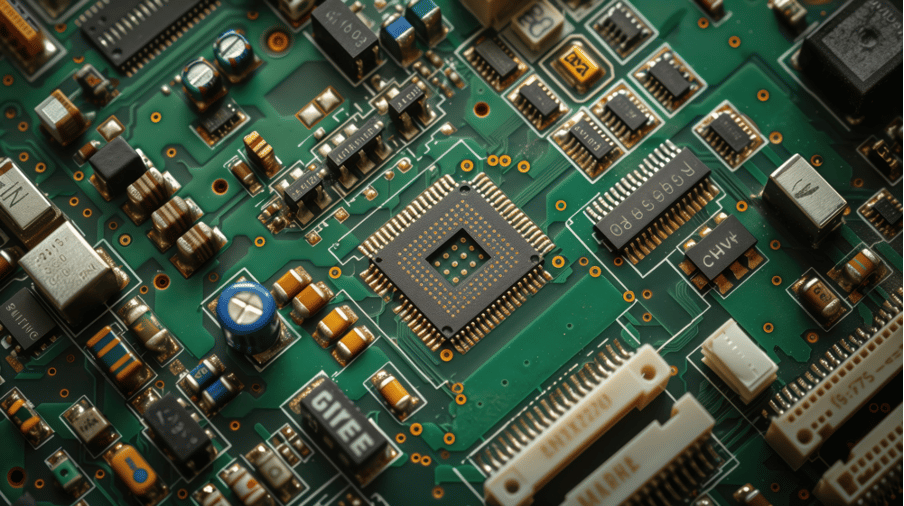
Across the tech landscape, “doing more with less” has become more than a strategy, it’s a necessity. Data centres, cloud providers, and high-growth tech companies are all facing the same challenge: rising power demand but limited capacity to support it.
The result? Hardware refresh cycles are accelerating, not because equipment is failing, but because older infrastructure simply isn’t efficient enough to justify its footprint. This shift is reshaping how organisations plan upgrades, manage energy usage, and deal with the growing volume of retired IT equipment.
Why Power Constraints Are Becoming a Critical Issue
Over the last few years, power availability has become one of the biggest pressures on data-heavy organisations. Several factors are driving this:
1. AI and High-Performance Workloads
AI workloads produce unprecedented compute demand. GPUs and accelerators produce far more heat and draw significantly more power compared to traditional servers. Companies are realising that modern hardware can run the same (or greater) workloads using far less energy.
2. Grid Limitations
In many regions, power grids simply cannot keep up. London, Dublin, Frankfurt, and several US states have all reported limited grid capacity for new data centre expansions. With no extra power available, organisations must optimise the power they already have.
3. Rising Energy Costs
Energy constraints aren’t just physical, they’re financial. Older hardware consumes more electricity and creates more cooling demand. As energy prices continue fluctuating, inefficient infrastructure quickly becomes uneconomical.
4. ESG and Sustainability Pressure
Investors, customers, and regulators are pushing organisations to reduce emissions and energy waste. Newer hardware can deliver significant efficiency gains, helping companies stay aligned with ESG commitments.
The Shift to Faster Refresh Cycles
Traditionally, enterprises refreshed hardware every 4–6 years.
Today, many are replacing servers in 2–3 years to:
• Reduce power consumption
• Increase computing density
• Free up capacity for high-performance workloads
• Meet sustainability goals
• Stay competitive in an AI-driven marketplace
This trend reduces operational costs but creates a new challenge: what to do with all the hardware being retired earlier than expected.
What Happens to All the Retired IT Equipment?
Shorter refresh cycles mean a significant increase in decommissioned assets. These devices still hold sensitive data, still require compliant disposal, and often still have substantial resale value.
Organisations face three key risks if this equipment isn’t handled properly:
1. Data Exposure
Even “wiped” devices can contain recoverable data if not destroyed to certified standards.
2. Environmental Impact
E-waste is the fastest-growing waste stream in the world. Improper disposal can lead to regulatory issues and ESG failures.
3. Lost Value
Many companies underestimate how much value can be recovered from servers, storage arrays, and networking equipment, especially when refresh cycles are shorter.
How NLTS Supports Businesses Handling Increased Decommissioning
As power constraints force companies to refresh hardware faster, NLTS ensures the process remains secure, compliant, and sustainable.
NLTS helps organisations by providing:
• Certified Data Destruction
Ensures no residual data remains, essential for companies operating under strict security and compliance standards.
• Sustainable IT Disposal
Environmentally responsible recycling aligned with ESG and circular economy goals.
• Asset Recovery
When refresh cycles shorten, equipment is often still valuable. NLTS helps clients recover monetary value through refurbishment, resale, or component harvesting.
• Fully Managed Decommissioning
From collection to reporting, NLTS removes the complexity and risk of handling large volumes of retired equipment.
As hardware turnover increases, these services become critical to:
• Minimising operational risk
• Reducing environmental impact
• Unlocking value from redundant tech
• Maintaining secure and auditable IT lifecycle processes
Looking Ahead: The New Normal for IT Infrastructure
Power constraints aren’t going away, if anything, they’re increasing. With AI adoption climbing and sustainability expectations rising, organisations will continue refreshing hardware more frequently to maximise efficiency. The companies that thrive will be those who not only upgrade smarter but also manage decommissioning as a strategic part of their lifecycle planning.
NLTS is positioned to support this shift, helping businesses handle the growing wave of retired IT equipment with confidence, security, and measurable value.
Call 0203 380 7075
Email: info@nlts.co.uk
Site: www.nlts.co.uk
North London Telecoms Systems
WEEE Registration Number and carrier licence:
CBDL156450
footer 2CBDU485395footer 2
We are looking to purchase Cisco, Avaya, Nortel, Mitel, Ericsson, siemens, shoretel, Alcatel, Snom.