
How New Global Regulations Are Shaping Responsible IT Disposal
Thursday, December 18, 2025
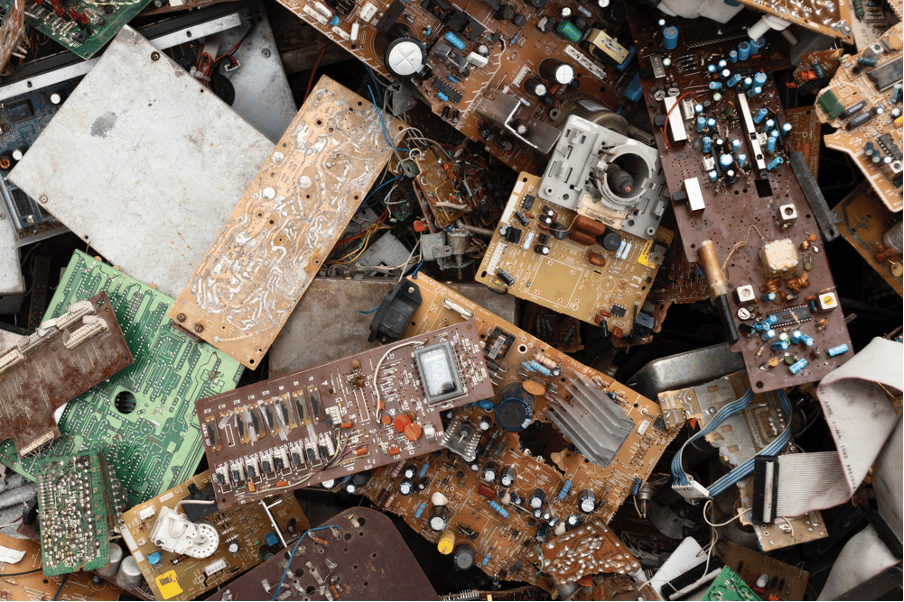
Governments and international bodies around the world are advancing regulations that directly affect how organisations retire, transport, recycle, and document end-of-life IT equipment. These changes are shaping every aspect of the IT asset disposition (ITAD) landscape, from data protection and environmental compliance to supply chain transparency and cross-border waste controls.
For businesses aiming to protect data, meet ESG goals, and avoid fines or reputational risk, understanding the regulatory landscape is critical. NLTS helps organisations navigate this evolving environment by delivering secure, compliant, and sustainable IT disposal solutions.
Basel Convention Amendments: Tighter Controls Over E-Waste Movement
A major global shift came into effect on January 1, 2025, with the amended Basel Convention e-waste rules. Under these changes, both hazardous and non-hazardous electronic waste and scrap now require prior informed consent (PIC) from all countries involved in a cross-border shipment before they can be moved for recycling or disposal.
This means:
• Exports of retired IT equipment for recycling must be documented and approved
• Components and processed fractions are now more clearly regulated
• Organisations can no longer rely on informal or unverified channels to move IT waste overseas
For multinational businesses and ITAD providers, this places a premium on traceable, certified disposal pathways, something that is central to how NLTS manages equipment across borders.
Upgrades to the WEEE Framework in the EU and UK

In the EU, the WEEE Directive (Waste Electrical and Electronic Equipment Directive) continues to evolve with stricter expectations for collection, recycling, and reuse targets. Targets for e-waste collection are growing, and regulators are increasingly focused on ensuring environmental soundness at every stage of disposal.
Similarly, in the UK, the 2025 WEEE reforms introduce requirements that will:
• Increase producer responsibilities
• Expand data collection and reporting obligations
• Mandate more rigorous tracking and audit trails for electronic waste
• Add new categories (e.g., disposable vapes) and ban certain items outright to reduce landfill contribution and environmental harm.
These regulatory changes mean businesses must be able to demonstrate end-to-end accountability in their IT disposal process, from decommissioning to final treatment.
EU Waste Shipments Regulation: Tougher E-Waste Controls
The EU’s Waste Shipments Regulation, updated in 2024 and effective from 1 January 2025, aligns EU export/import controls with the Basel Convention amendments. Under the new rules:
• E-waste exports to non-OECD countries are prohibited.
• Exports to OECD countries require prior informed consent.
• Imports into the EU of e-waste also require consent.
• Even intra-EU movements of certain e-waste are subject to stricter notification procedures.
In addition, the revised regulation emphasises that waste should only be sent to destinations where it can be treated in an environmentally sound manner, reinforcing environmental stewardship and accountability in disposal practices.
These changes affect how companies manage IT disposal if equipment is moving between sites in the EU or being shipped internationally for recycling or reuse.
The Data and Compliance Side of IT Disposal
Regulations aren’t just about the environmental fate of electronics. They also intersect with data protection laws such as GDPR in the EU and similar privacy regimes worldwide. Under these rules, businesses are legally responsible for the secure destruction of personal data throughout the IT lifecycle, including on retired devices.
This makes data destruction and documented audit trails essential not just for environmental compliance but also for legal protection. Organisations that dispose of IT assets without robust, auditable processes risk fines, litigation, and reputational harm.
How NLTS Helps Organisations Stay Compliant and Responsible
With the regulatory landscape becoming more demanding, NLTS provides a comprehensive suite of IT disposal services designed to keep clients compliant, secure, and sustainable:
Data Destruction
NLTS uses recognised and auditable destruction methods to ensure no residual data remains, helping clients meet privacy and cybersecurity law requirements.
Secure IT Decommissioning
From corporate offices to data centres, NLTS manages controlled decommissioning projects with documented processes that support regulatory and audit needs.
Asset Recovery
NLTS helps organisations recover financial value from retired IT equipment through tested remarketing and refurbishment channels, aligning with circular economy objectives.
WEEE-Compliant Recycling
Where reuse isn’t viable, NLTS ensures all remaining equipment is processed through legally approved WEEE recycling streams, meeting both local and international disposal standards.
End-to-End Traceability and Audit Capability
With evolving regulations requiring full accountability, NLTS provides detailed records at every stage of the disposition process, from collection to outcome, to support compliance reporting and ESG disclosures.
What This Means for Your Business
The shift in global regulation reflects a broader expectation: that organisations must take responsibility for the full lifecycle of their technology. Failure to adapt can result in:
• Regulatory penalties
• Legal risk from data exposure
• Damage to brand reputation
• Missed sustainability targets
By partnering with a certified ITAD provider like NLTS, businesses can comply with new and emerging regulations while turning disposal into a strategic advantage.
Looking Ahead
As 2025 progresses and more countries adopt or strengthen e-waste, data protection, and producer responsibility laws, responsible IT disposal will continue to rise corporate agendas. The companies that integrate secure, compliant, and transparent ITAD practices now will be better positioned for resilience, regulatory alignment, and positive environmental impact into the future.
Call 0203 380 7075
Email: info@nlts.co.uk
Site: www.nlts.co.uk
North London Telecoms Systems
WEEE Registration Number and carrier licence:
CBDL156450
footer 2CBDU485395footer 2
We are looking to purchase Cisco, Avaya, Nortel, Mitel, Ericsson, siemens, shoretel, Alcatel, Snom.