
Data Protection Beyond the Network: Lifecycle Accountability
Thursday, March 05, 2026

When organisations think about data protection, they usually focus on firewalls, encryption and network defences. And with good reason, the impact of a breach can be severe. In the UK, the average cost of a data breach is now estimated at over £3.3 million, and that figure rises significantly for breaches involving sensitive personal or commercially proprietary data. But there’s a crucial dimension that is often overlooked: what happens to data after the device it sat on is no longer in active use. Data protection doesn’t stop at securing live systems. It extends to laptops placed in storage cupboards, servers in decommissioned racks and tablets retired from frontline deployment. In other words, data risk continues long after a device is unplugged.
Why Lifecycle Accountability Matters in the UK Context
Most businesses secure active networks and connected systems, but retired hardware often slips through the cracks. UK-based research and reports on secondary device markets have repeatedly found that a large proportion of used hard disks and storage devices sold on resale platforms still contain recoverable data. In one analysis, over 35% of second-hand storage devices exposed sensitive or retrievable content simply because they hadn’t been properly wiped. This is a data protection risk with clear financial and regulatory implications.
The UK’s Information Commissioner’s Office (ICO) takes data protection seriously. Even where a device isn’t actively processing data, organisations can be held accountable for data left on retired equipment. Penalties can include enforcement notices, fines and increased scrutiny, outcomes no organisation wants on its compliance record.
Where Risk Hides in the Lifecycle
Lifecycle accountability means managing data risk at every stage of a device’s life, from the moment it is purchased, right through to its final disposal. Common weak spots include:
• Devices held in storage without proper sanitisation
• Equipment transferred between teams with incomplete handover processes
• Disposal or recycling without certified data destruction
• Gaps in asset tracking and documentation
When governance is lacking, devices taken out of service can still carry hidden security risks, a factor that is easy for cyber criminals to exploit and difficult for compliance teams to reconcile.
The Regulatory and ESG Landscape in the UK and Europe
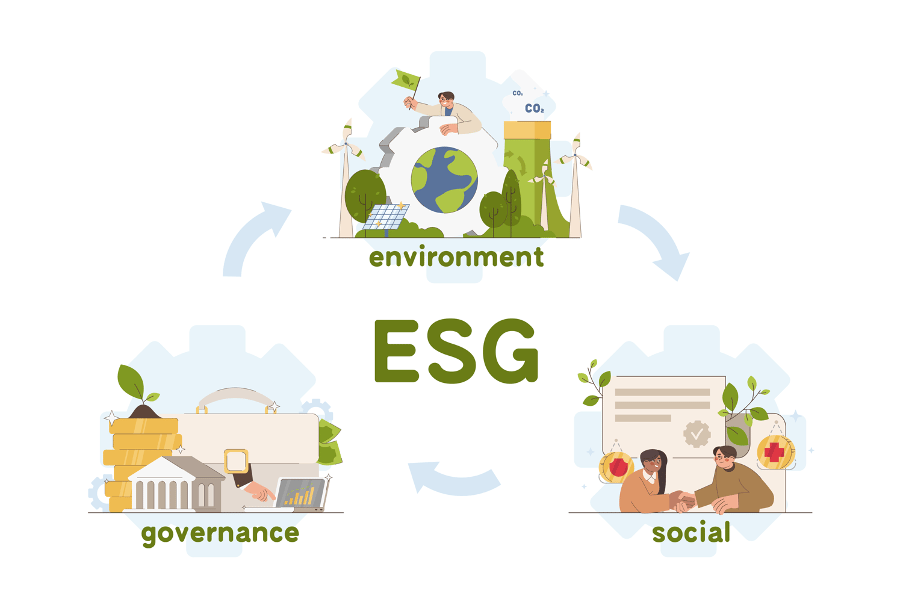
Data protection requirements under the Data Protection Act 2018 and the UK GDPR place ongoing responsibility on organisations for personal data stewardship, regardless of where that data resides. That means ensuring retired hardware doesn’t inadvertently expose data long after its useful life.
At the same time, environmental reporting and sustainability expectations are rising. Many UK companies are now factoring Scope 3 emissions into their annual sustainability reporting, with guidance from frameworks like the Taskforce on Climate-related Financial Disclosures (TCFD). Scope 3, covering indirect upstream and downstream emissions, includes the full lifecycle of physical assets, such as IT hardware.
Right now, Scope 3 often accounts for 70–90% of an organisation’s total carbon footprint, and electronic waste is one of the fastest growing waste streams in the UK and globally. Decisions about how retired hardware is managed therefore have both compliance and environmental significance.
Accountability in Action: Beyond Disposal
Closing lifecycle gaps requires structured, repeatable and transparent processes rather than improvised or inconsistent methods. This is where IT asset lifecycle governance intersects with data protection, compliance and environmental responsibility.
NLTS helps organisations put that structure in place. Rather than treating decommissioning as an afterthought, NLTS ensures that retired equipment is:
• Tracked through every stage from decommissioning to final processing
• Subjected to data destruction so that recoverable data is completely removed
• Collected securely from single or multi-site estates
• Processed with clear audit trails and documentation
• Responsibly reused where viable or recycled in line with WEEE regulations
By embedding lifecycle accountability into standard operating procedures, organisations mitigate hidden data risk, support regulatory compliance, and contribute to broader sustainability goals, all of which are increasingly critical in today’s marketplace.
Changing Mindsets: From Network to Lifecycle
Shifting from a network-only view of data protection to a lifecycle perspective requires a cultural and operational shift. It means:
• Updating policies to explicitly cover retired hardware
• Ensuring asset handovers include rigorous sanitisation steps
• Maintaining centralised tracking and audit capabilities
• Training teams so lifecycle risk is understood at all levels
The payoff is significant: fewer surprises during audits, stronger data protection posture, clearer sustainability reporting and reduced organisational risk overall.
The Takeaway
Data protection is no longer just about securing active systems. True protection means managing the full lifecycle of the devices that ever touched your data, from purchase and use right through to end-of-life processing. By treating lifecycle accountability as a core part of corporate governance, UK organisations can eliminate hidden vulnerabilities, align with regulatory expectations and support sustainability goals, positioning themselves better environmentally, financially and reputationally for the years ahead.
Call 0203 380 7075
Email: info@nlts.co.uk
Site: www.nlts.co.uk
North London Telecoms Systems
WEEE Registration Number and carrier licence:
CBDL156450
footer 2CBDU485395footer 2
We are looking to purchase Cisco, Avaya, Nortel, Mitel, Ericsson, siemens, shoretel, Alcatel, Snom.