
Data Centres vs. Water Security: Can Tech Be Truly Sustainable?
Thursday, August 21, 2025
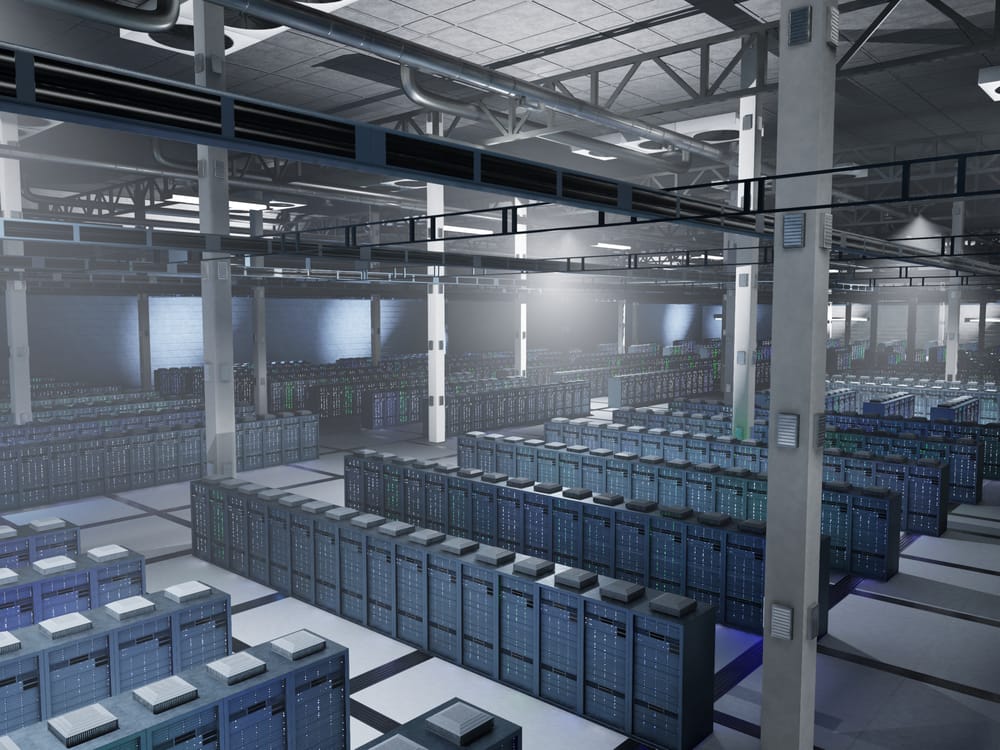
Every click, stream, and cloud upload generate demand for infrastructure that most of us never see. From powering remote work and streaming entertainment to enabling AI and global e-commerce, data centres are the backbone of modern society. Yet, while the energy footprint of these facilities often gets attention, another resource is quietly under strain: water.
Water is a critical component in cooling the thousands of servers that store and process data. Without sufficient cooling, servers overheat, leading to downtime, equipment damage, and potential data loss. Recent studies suggest that data centres in the UK alone consume 10 billion litres of water annually, equivalent to the yearly usage of roughly 50,000 households. Globally, the figure is exponentially higher, and with cloud demand rising 20–30% year on year, the sustainability challenge is escalating quickly.
This hidden water footprint raises crucial questions: Can technology truly be sustainable if it relies on a resource under growing stress?
The Hidden Thirst of Data Centres
Data centres’ water use is primarily for cooling. Traditional cooling systems draw water from municipal or industrial supplies, circulate it through heat exchangers, and return it to the environment. While efficient for temperature control, this process consumes massive volumes of water, some of which is lost to evaporation or contamination.
Regions already experiencing drought or water stress face intensified risks. For businesses, this is not just an environmental concern but an operational one, water shortages can lead to higher costs, interruptions, or even mandatory operational limits. NLTS recognises these risks and helps companies manage their IT infrastructure responsibly.
Why Water Security Matters to Business

Water scarcity poses multi-dimensional risks to organisations:
• Operational risk: Data centres dependent on large water volumes may face downtime or capacity limits in water-scarce regions. NLTS helps businesses plan IT asset usage and lifecycle management to reduce reliance on energy- and water-intensive processes.
• Regulatory and compliance risk: Increasingly, regulators require environmental reporting that includes water usage, particularly for energy- and water-intensive industries.
• Reputation risk: Stakeholders expect businesses to act sustainably. Companies that ignore water security may face criticism, reduced trust, or reputational damage. NLTS helps organisations demonstrate a tangible commitment to environmental responsibility.
Pathways to Sustainable IT
To align digital growth with sustainability, businesses must embrace a circular IT approach, which is something we specialise in.
Repairing and extending the life of laptops, desktops, and tablets reduces demand for new hardware, which in turn decreases the environmental impact of manufacturing, energy, and water use. Secure asset recovery and recycling programs ensure that old IT equipment doesn’t end up in landfills, while sensitive data is destroyed in compliance with international standards. NLTS also supports companies in optimising their IT operations, helping businesses reduce both energy and water consumption indirectly linked to data centre reliance.
Through this approach, NLTS enables companies to meet ESG targets, strengthen brand reputation, and achieve operational efficiency, all while keeping IT infrastructure sustainable and resilient.
NLTS: Partnering for a Circular, Responsible IT Future
At NLTS, we go beyond IT asset management. We partner with organisations to implement circular IT strategies that extend device lifecycles, reduce resource consumption, and minimise environmental impact. By repairing laptops, desktops, and tablets, recovering and recycling end-of-life equipment securely, and providing guidance on sustainable digital infrastructure, NLTS ensures that your IT operations support both business growth and environmental stewardship.
Choosing NLTS means embracing a future where technology and sustainability go together, ensuring that water security, compliance, and brand reputation are safeguarded while your IT infrastructure continues to perform at its best.
The Takeaway
Technology can be sustainable, but only if businesses actively manage their environmental impact. Data centres’ hidden water consumption is a growing concern, yet companies have the tools to address it responsibly. By partnering with NLTS, implementing circular IT practices, repairing and reusing devices, and securely recovering and recycling assets, organisations can reduce their water and energy footprint while still benefiting from the digital revolution.
Sustainability in IT is no longer optional. It is a strategic necessity that safeguards natural resources, supports regulatory compliance, and reinforces brand trust. With NLTS, companies can enjoy the convenience of cloud computing without compromising water security or the planet’s future.
Call 0203 380 7075
Email: info@nlts.co.uk
Site: www.nlts.co.uk
North London Telecoms Systems
WEEE Registration Number and carrier licence:
CBDL156450
footer 2CBDU485395footer 2
We are looking to purchase Cisco, Avaya, Nortel, Mitel, Ericsson, siemens, shoretel, Alcatel, Snom.